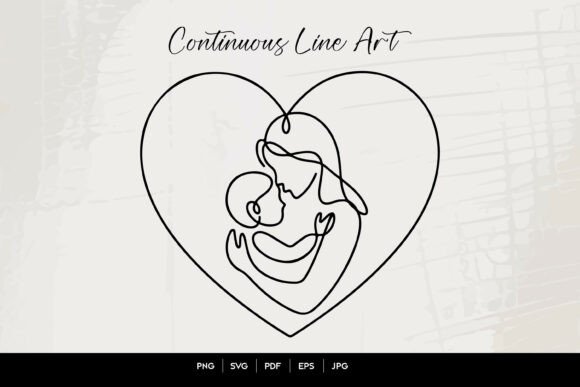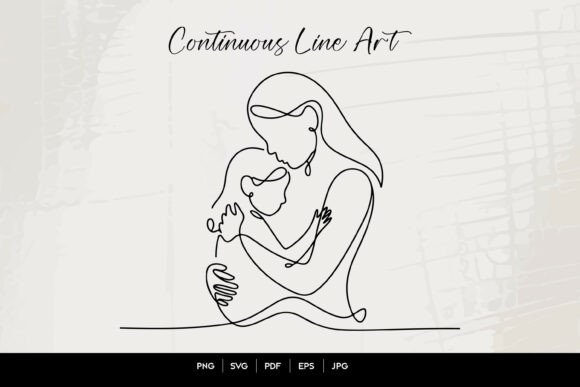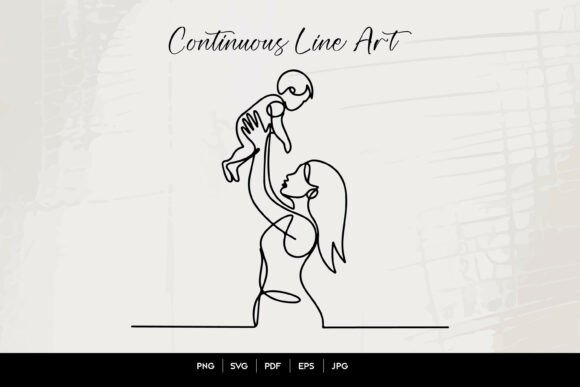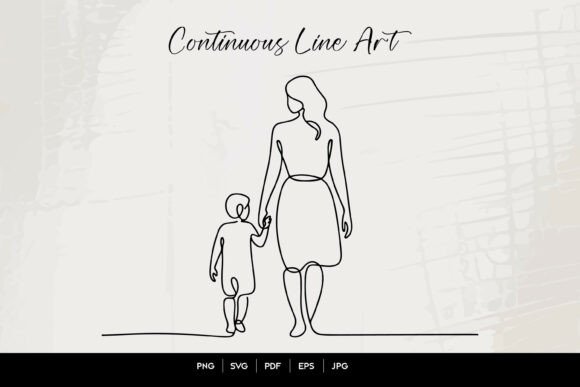
Mother Child Heart Line Art Embroidery Design Review
Real-World Application Scenarios
Tote Bag Design: On a medium-weight cotton tote, the design stitched cleanly and held up well after washing. The heart shape was prominent without being overwhelming, making it perfect for a personalized gift or a small shop item.
Sweatshirt Embroidery: When applied to a 50/50 cotton-polyester blend, the design maintained its clarity despite the fabric's slight stretch. The gentle outlines gave it a soft, approachable feel that resonated with customers who wanted something meaningful for their little ones.
Baby Embroidery: This one really shone here. The theme is so appropriate for baby items—caps, bibs, and blankets. The line art doesn’t distract from the innocence of the garment, yet adds just enough visual interest to make the piece memorable.
Embroidered Patch: The design worked well when converted into an applique format. It added a sweet touch to denim jackets and backpacks, especially when paired with satin stitching along the edges to give it a polished finish.
Where Caution Is Needed
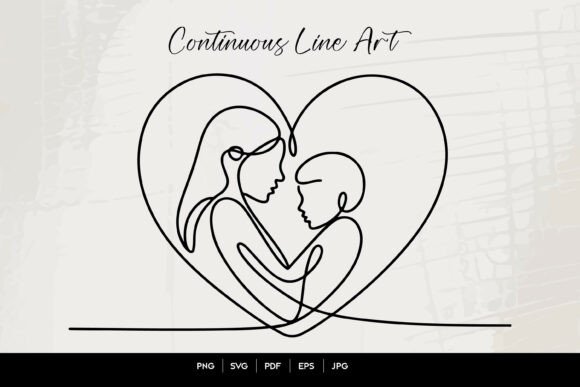
- Small Hoop Sizes: Because the heart and the figures inside it are relatively large, trying to fit them into a tiny hoop can compromise the clarity of the design. You’ll need at least a 4x6 inch hoop to preserve the integrity of the lines.
- Textured or Stretchy Fabrics: While the design stitches smoothly on most materials, I noticed that on stretchier fabrics like rayon blends, the lines could slightly distort if not properly stabilized. Always test on scrap fabric first.
- Dark Fabric Backgrounds: The line art is mostly white space with minimal fill. If your fabric is dark, consider using a contrasting running stitch or adding a light-colored satin border to help the design pop.
- Products That Require Frequent Washing: Although the design holds up well on cotton, frequent washing may cause slight fading in lighter threads. Recommend using quality embroidery thread and proper stabilizers for long-lasting results.
- Curved Surfaces: When I tried applying the design to a cap, the curvature made some corners appear less crisp. For curved surfaces, break the design into smaller sections or adjust the layout accordingly.
Designer Notes: Practical Tips Before Use
- Test on Scrap Fabric: Especially if you plan to use it on textured or stretchy materials. This will let you see how the lines hold up under tension and movement.
- Check Thread Color Contrast: Make sure the chosen thread stands out against the background fabric. Sometimes, what looks good in a preview doesn’t translate well in person.
- Review Stitch Density: Adjust the running stitch or satin stitch settings if needed to ensure the design remains clear and doesn’t get lost in dense fabric layers.
- Confirm Hoop Size: The design is best suited for mid-sized hoops. Don’t try to force it into a smaller hoop unless you’re willing to simplify the elements.
- Inspect Small Details: Zoom in on the file to check for any tiny lines or points that might not stitch well. These can often be adjusted or reinforced before production.
- Use Proper Stabilizer: Especially for lightweight or stretchy materials. A tear-away or cut-away stabilizer can prevent puckering and distortion.
- Check Licensing Before Selling: If you're planning to use this design commercially—for digital product previews or finished items—make sure the licensing terms allow for resale. Without proper clearance, you risk legal issues down the line.